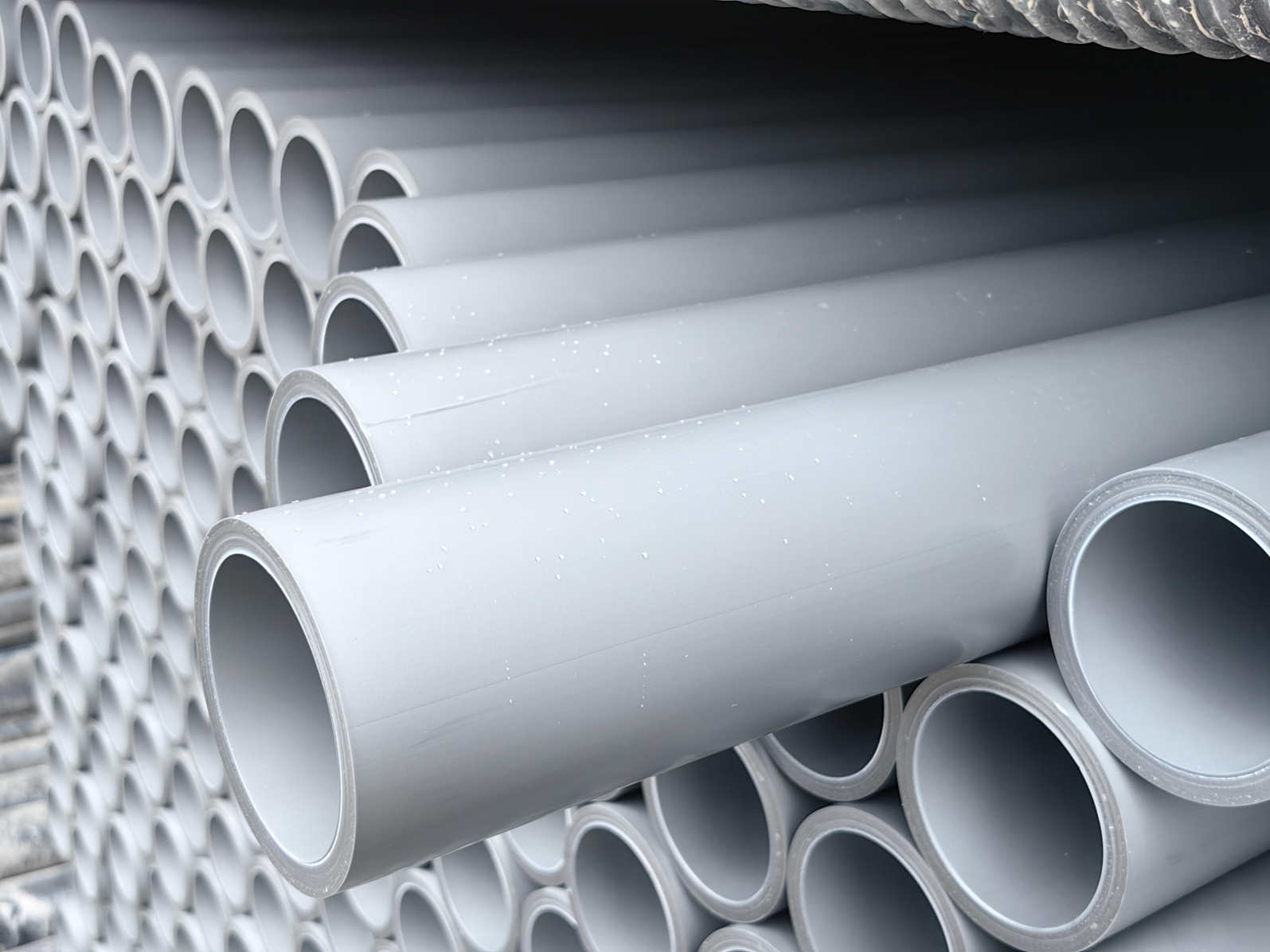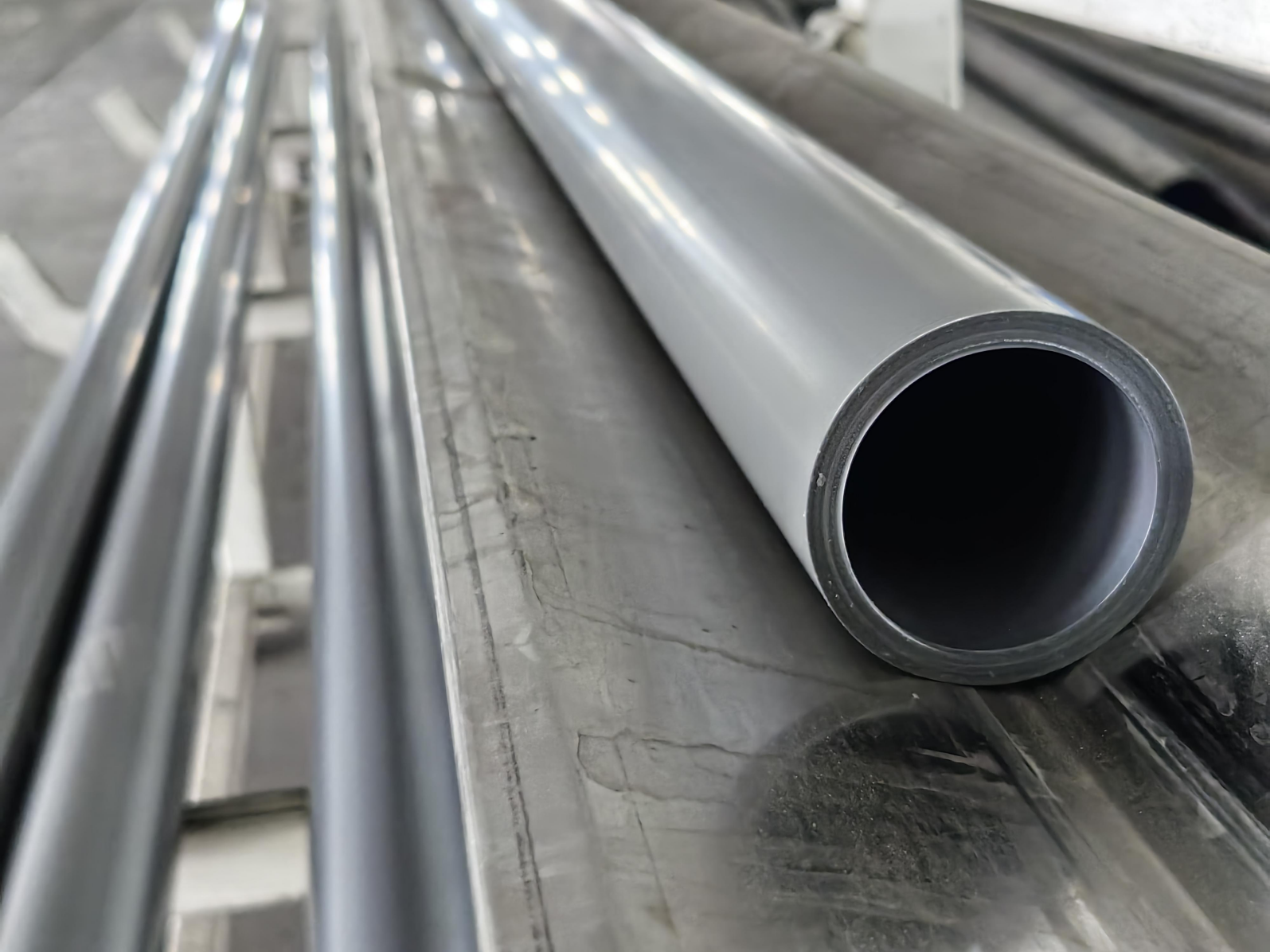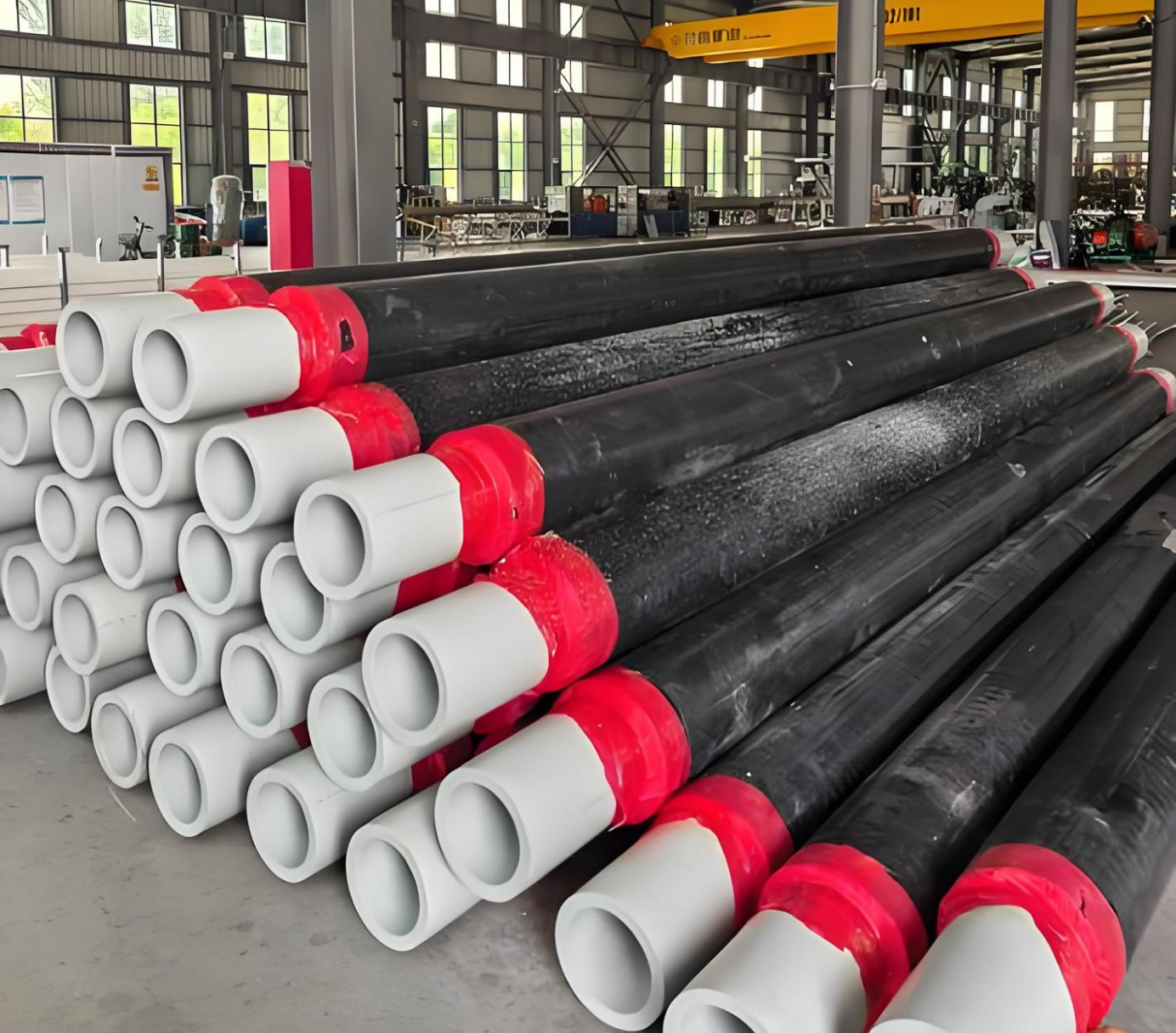

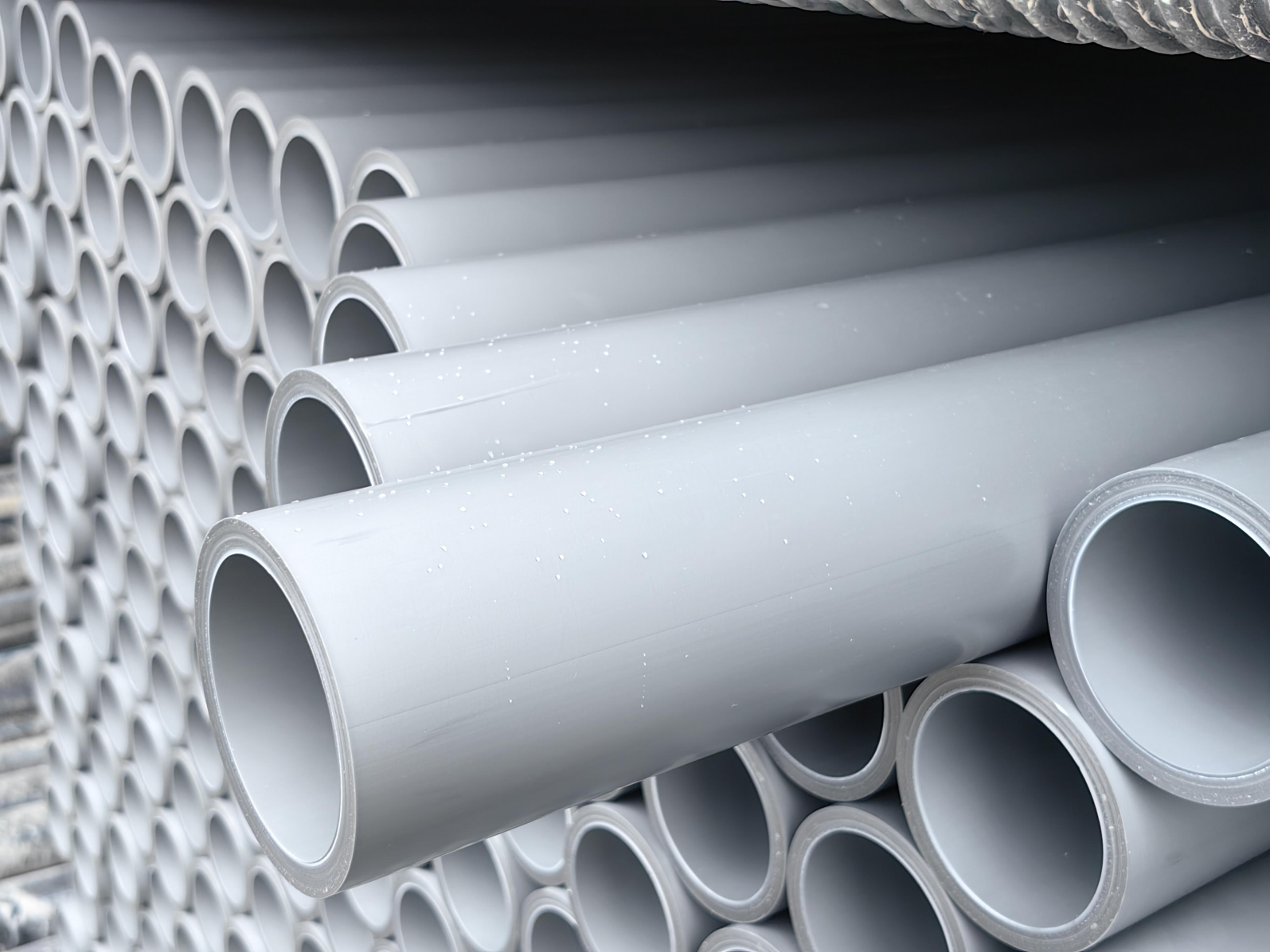
Heat-resistant polyethylene (PE-RT) pipes for hot and cold water
Product Features: This product conforms to multiple national and industry standards, including GB/T 28799.2-2020, and is available in sizes DN20–DN400. Made of PE-RTⅡ material, it is heat-resistant, corrosion-resistant, impact-resistant, and possesses excellent flexibility and sealing properties. It is easy to install and has a service life exceeding 50 years. Suitable for centralized heating, hot springs, HVAC, and other hot and cold water delivery systems.
Execution Standards: GB/T 28799.2-2020 "Heat-resistant Polyethylene (PE-RT) Piping Systems for Hot and Cold Water"
CJJ/T480-2015 "High-density Polyethylene Outer Sheath Polyurethane Foamed Direct-buried Insulated Pipe Composite Plastic Pipe"
DB37/T5021-2014 "Design and Construction Specifications for Type II Heat-resistant Polyethylene Low-Temperature Direct-buried Pipelines"
Specifications Coverage: DN20-400
Introduction to PE-RT II Type Heating Piping Systems: Heat-resistant polyethylene (PE-RT II) pipes are a new type of high-molecular chemical building material with excellent heat resistance, corrosion resistance, impact resistance, and good performance.
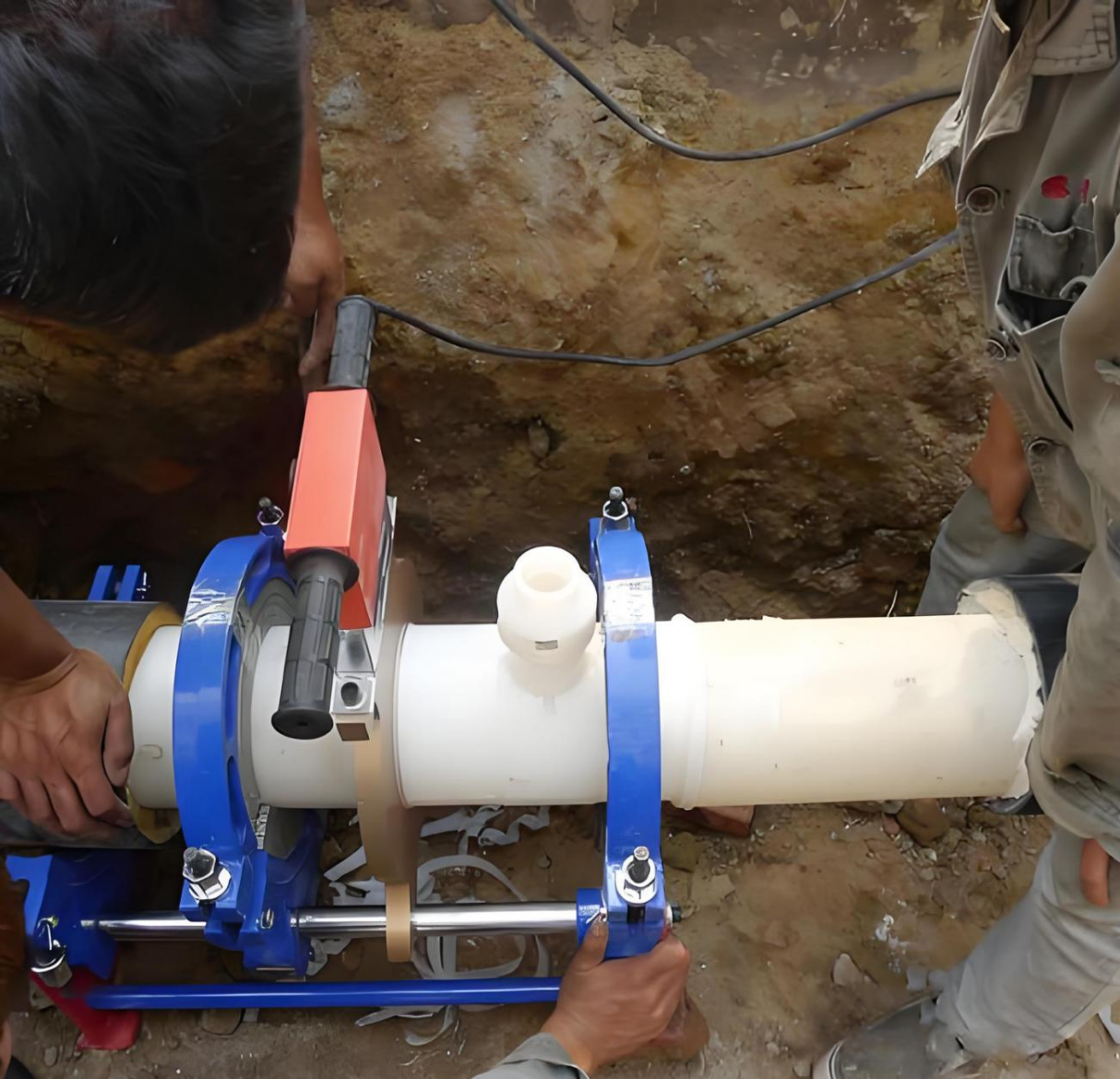
With excellent toughness and sealing properties, convenient construction and maintenance, and a service life of over 50 years, it is suitable for secondary pipe network systems for centralized heating, hot spring pipe systems, hot water systems, HVAC systems, and other projects." Wanjilong PE-RTⅡ type hot water transmission pipes are produced using imported PE-RTⅡ raw materials. PE-RTⅡ type pipe materials have excellent impact resistance, crack resistance, scratch resistance, and strength, as well as good flexibility and long-term creep performance, possessing advantages over traditional high-density pipes.It exhibits the same excellent low-temperature resistance (-40℃) as polyethylene, with a long-term operating minimum temperature of -30℃, and is also heat-resistant and environmentally friendly. Connection method: Like PE gas and PE water supply pipes, Wanjilong PE-RTⅡ type heating pipes can be connected using a heat fusion method. The connection process is simple, easy to master, requires minimal worker skill, and the joint strength is higher than the strength of the material itself. Pipes can be connected to each other, or pipes and fittings can be connected using either heat fusion or electrofusion methods; connections with steel pipes, valves, and other pipe accessories...Flange connections can be used. Types and Features: Wanjilong PE-RTⅡ type heating pipes are suitable for insulation projects transporting low-temperature water media within the range of 50℃ to 85℃. They are widely used in insulation projects for urban centralized heating, greenhouses, secondary pipe networks, and other industries. Product Characteristics: Product Structure: 1. Three-layer structure: 1) The inner layer is pressure-resistant heat-resistant polyethylene...PE-RTI pipe;2) The middle layer is a foamed insulation layer: generally polyurethane (PU) foam is used, with a thermal conductivity of up to λ50°C=0.032W/(m-K)3. The outer layer is high-density polyethylene (HDPE) pipe as a protective layer, with a thermal conductivity of λ=0.42W/(m·K).
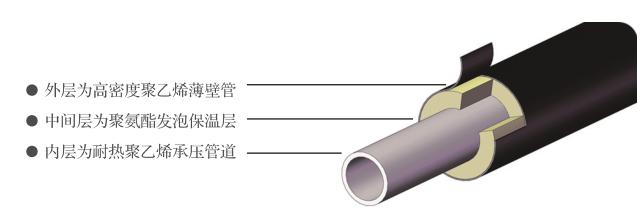
2. Single-layer structure: namely, pressure-bearing heat-resistant polyethylene PE-RTⅡ pipe.
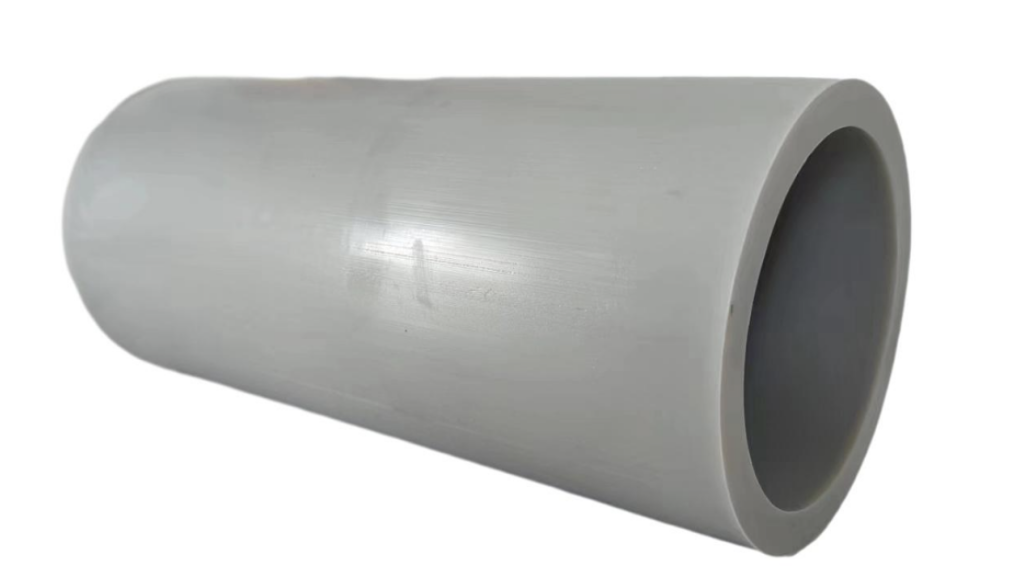
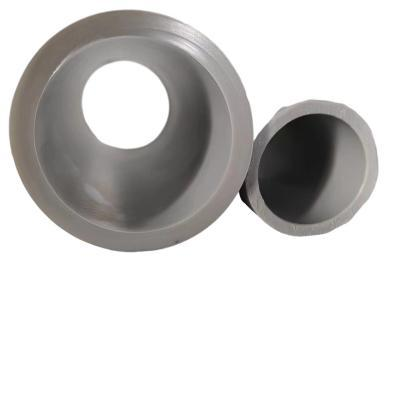
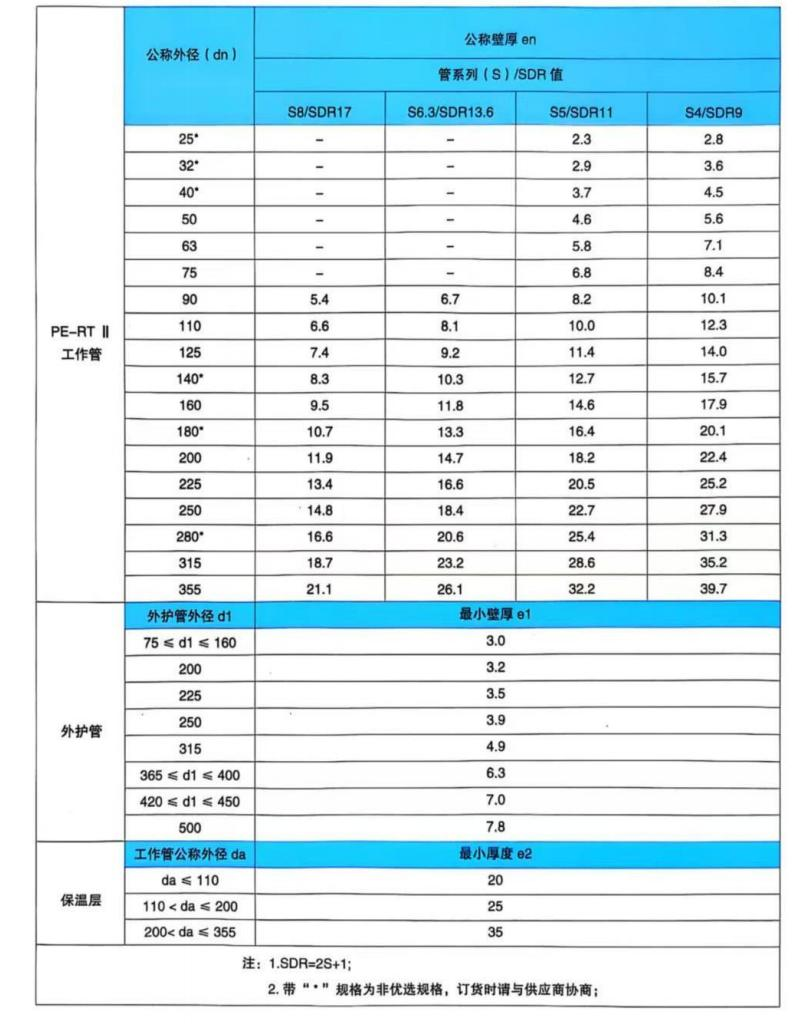
Specification and Dimension Table of Heat-Resistant Polyethylene (PE-RT) Pipes for Hot and Cold Water
GB/T 28799.2-2020
Unit: mm
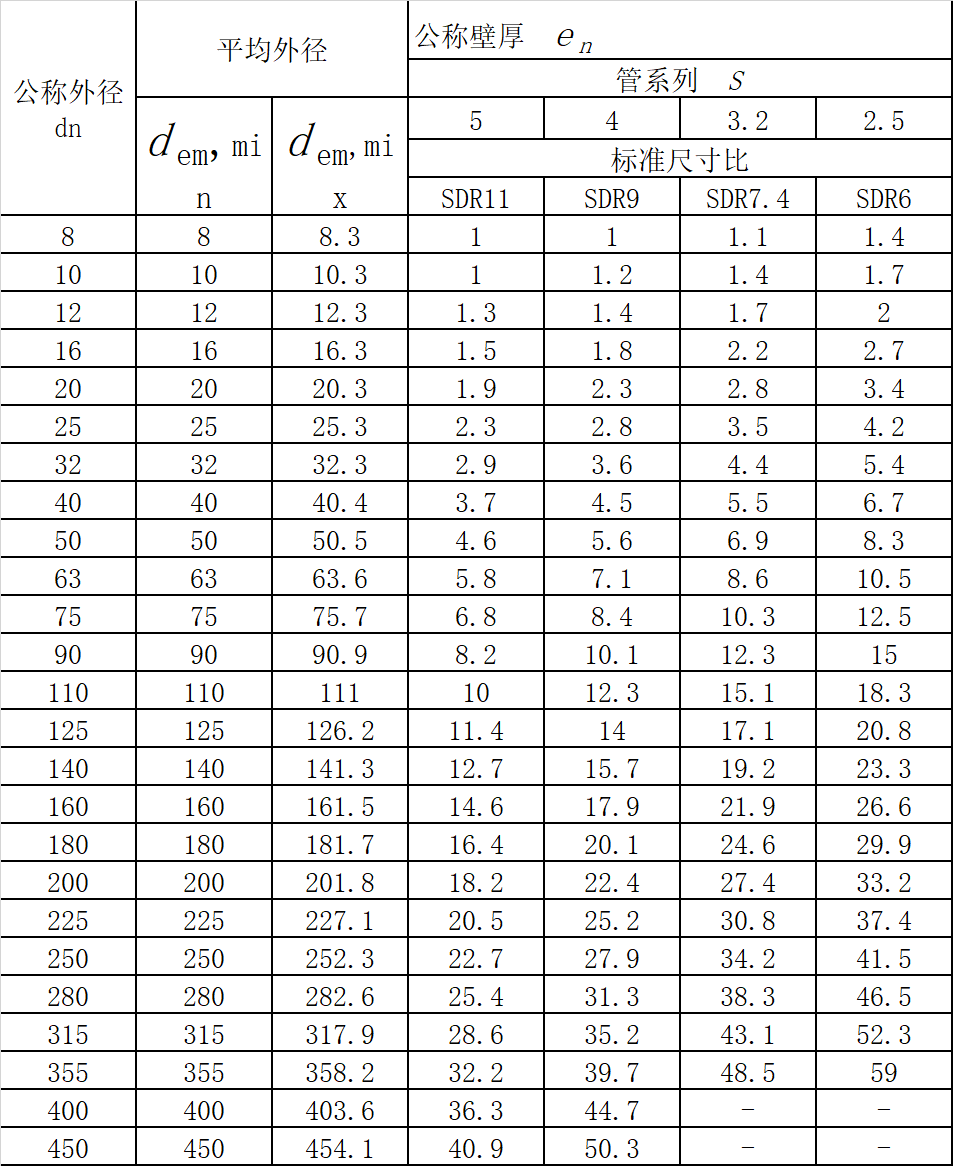
Nominal pressure and size: